

STRUGGLING TO DRINK ENOUGH WATER? TRY THESE 5 NEURODIVERGENT-FRIENDLY TIPS
If you’re neurodivergent and struggle to stay hydrated, these 5 practical tips can help make drinking regularly easier, more appealing and easier to remember.
5 Ways Restrictive Eating Can Spill Into the Rest of Your Life
Restriction doesn’t always stay on your plate. It can shape how safe you feel being seen, how you connect with others, how you express emotions and even what you allow yourself to enjoy. Here are five signs a restrictive relationship with food may be affecting more of your life than you realise.
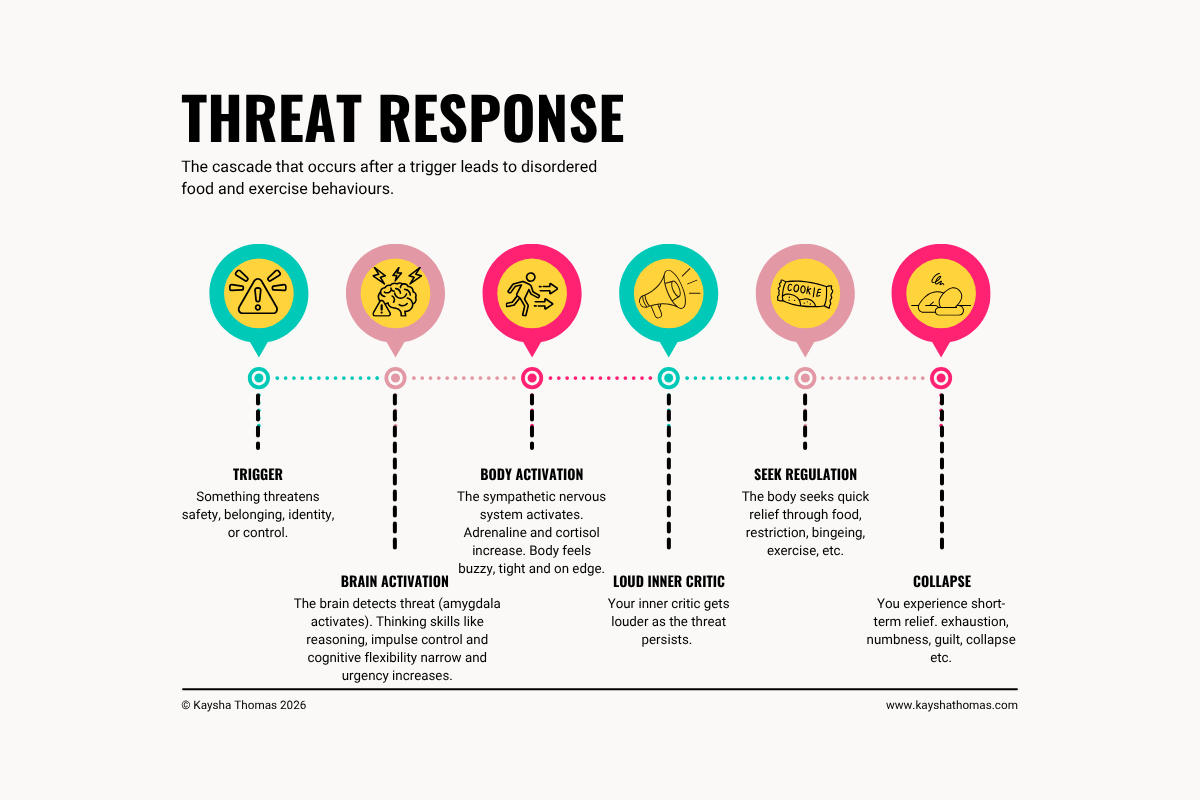
Why You Feel Out of Control Around Food (3 Food Triggers Nobody Talks About)
Do you feel like you lose control around food even when you’re trying your best? This post explores three often-overlooked triggers behind restriction, bingeing, and food guilt, and explains what’s actually happening in your body when the food shame cycle takes over.
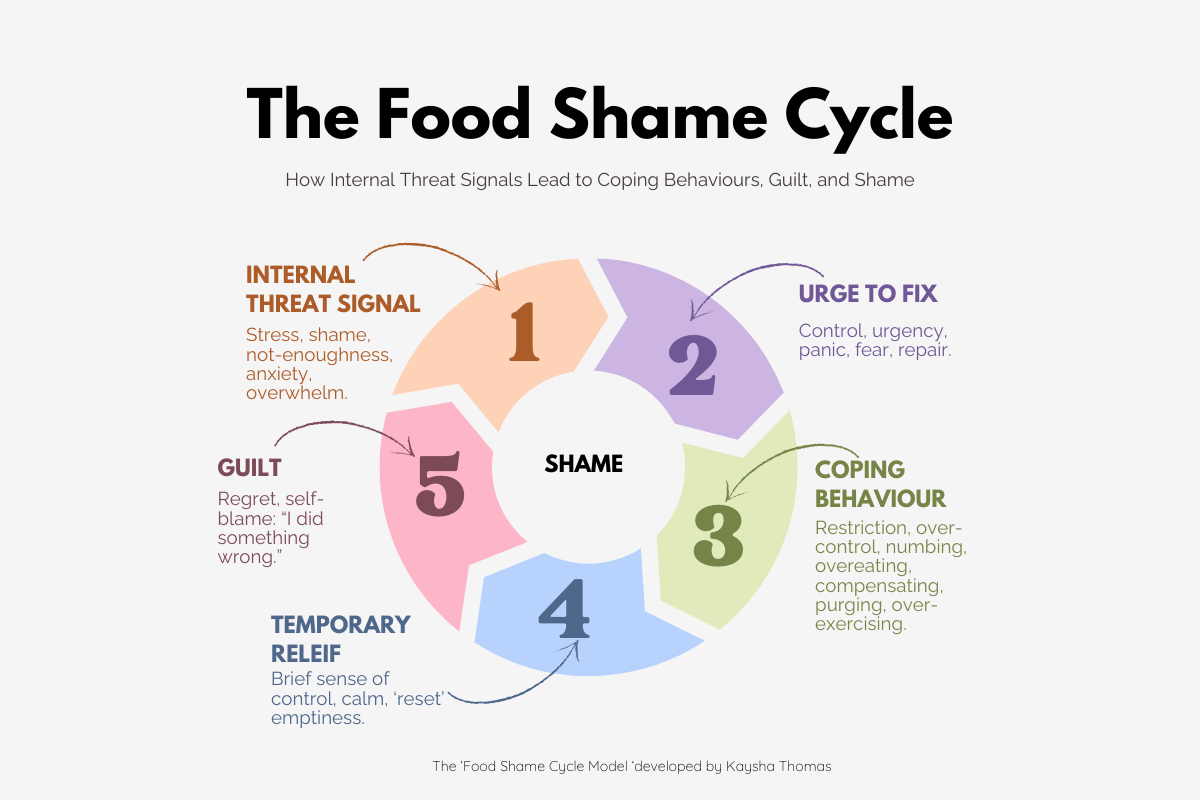
The Hidden Food Shame Cycle: Why Trying Harder With Food Keeps Backfiring
If how you feel about yourself depends on how you ate that day, you’re not alone. Learn how the Food Shame Cycle works and why guilt around food isn’t about willpower.
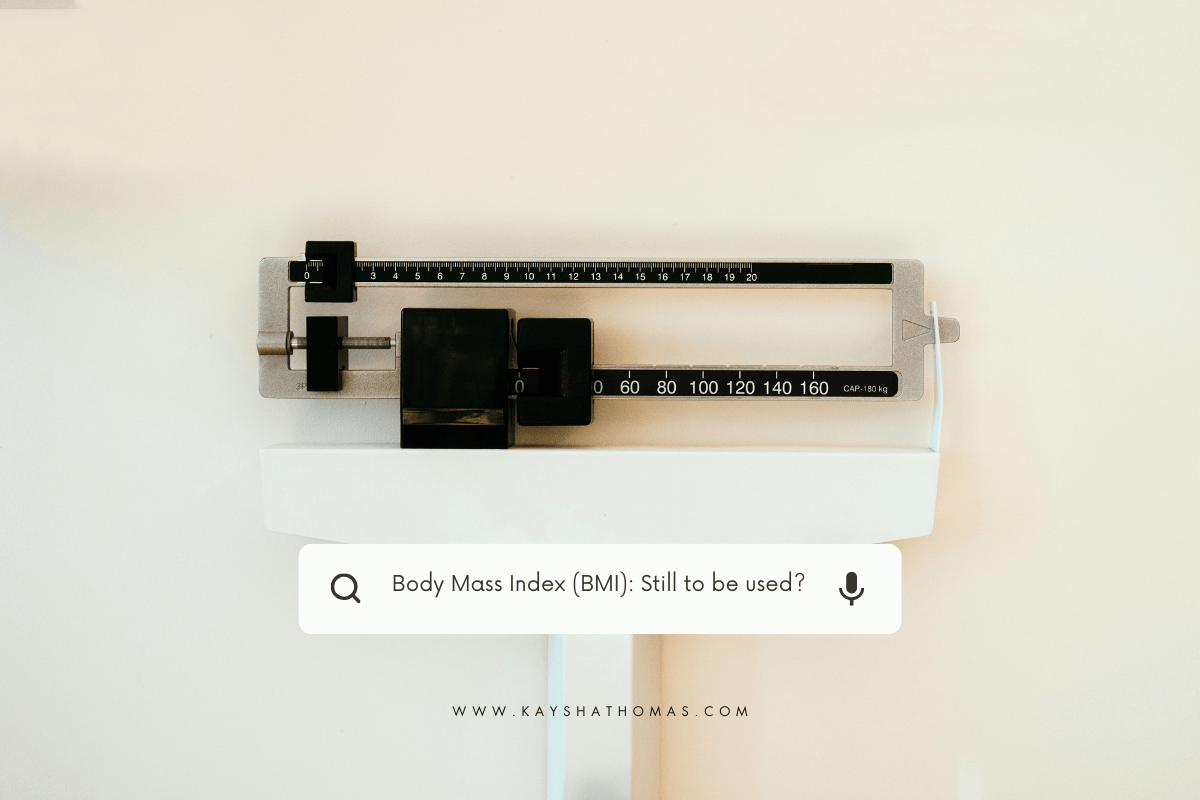
What BMI Doesn’t Tell You: What You Need to Know About This Outdated Health Tool
The Body Mass Index (BMI) is still widely used as a measure of health, yet it was never designed for individual diagnosis or clinical decision-making. In this post, I explore the origins of BMI, its limitations, and why continued reliance on it has real consequences, particularly for Black people and those struggling with food and eating.
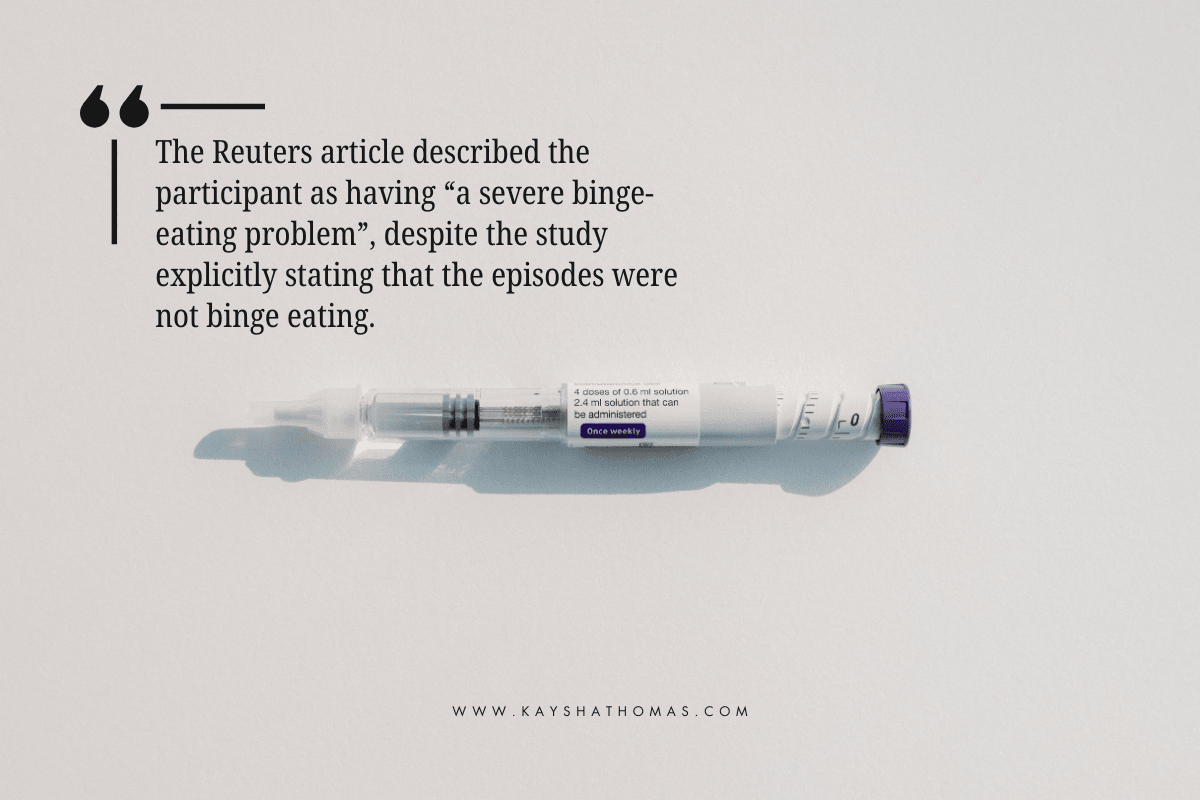
How a Small GLP-1 Study Became a Misleading Media Narrative
A recent Nature Medicine study was widely reported as proof that GLP-1 drugs like Ozempic switch off food cravings in the brain. But when you read the research carefully, the story is far more complex. In this post, I break down what the study actually investigated, how it measured brain activity, what happened with the only participant on tirzepatide, and why the media coverage oversimplified the findings (especially for those navigating food noise or eating disorder recovery).
Twelve Years Sober: Freya’s Story of Alcohol Recovery
Freya shares her lived experience of alcohol addiction, medical detox, relapse, and twelve years of sobriety. This is an honest account of recovery through NHS and community support, shared anonymously with consent, to offer hope to anyone who feels stuck or alone.
Simple Hygiene Tips for Low-Energy Days (When Everything Feels Hard)
Struggling with hygiene when your energy or mental health is low is more common than people realise. In this gentle guide, I share simple, low-effort tips to help you take care of yourself on the days when even basic hygiene feels overwhelming.
Spoon Theory Explained: What It Means and How to Use It in Daily Life
Ever feel like simple tasks take more out of you than they should? Spoon Theory offers a way to understand your energy and capacity with compassion. In this post, I explain where the concept came from, how to check in with your spoons, and how to pace yourself when life demands more than you have to give.

Capable but Exhausted: The Hidden Burnout of Confusing Capability with Capacity
You’re not burnt out because you’re weak, you’re burnt out because you’re capable! This post explores the difference between capability and capacity, and why confusing the two leaves so many of us (especially high-achieving, people-pleasing women) exhausted, resentful, and running on empty.